

MILD STEEL
Mild Steel (MS) is a low-carbon steel widely used in construction, manufacturing, and engineering industries due to its strength, versatility, and cost-effectiveness. Typically containing between 0.05% and 0.25% carbon, mild steel offers excellent weldability, machinability, and durability, making it suitable for a wide range of applications. Mild steel is commonly used in the production of structural frameworks, pipes, sheets, automotive components, machinery, and fabrication projects
6/17/20262 min read
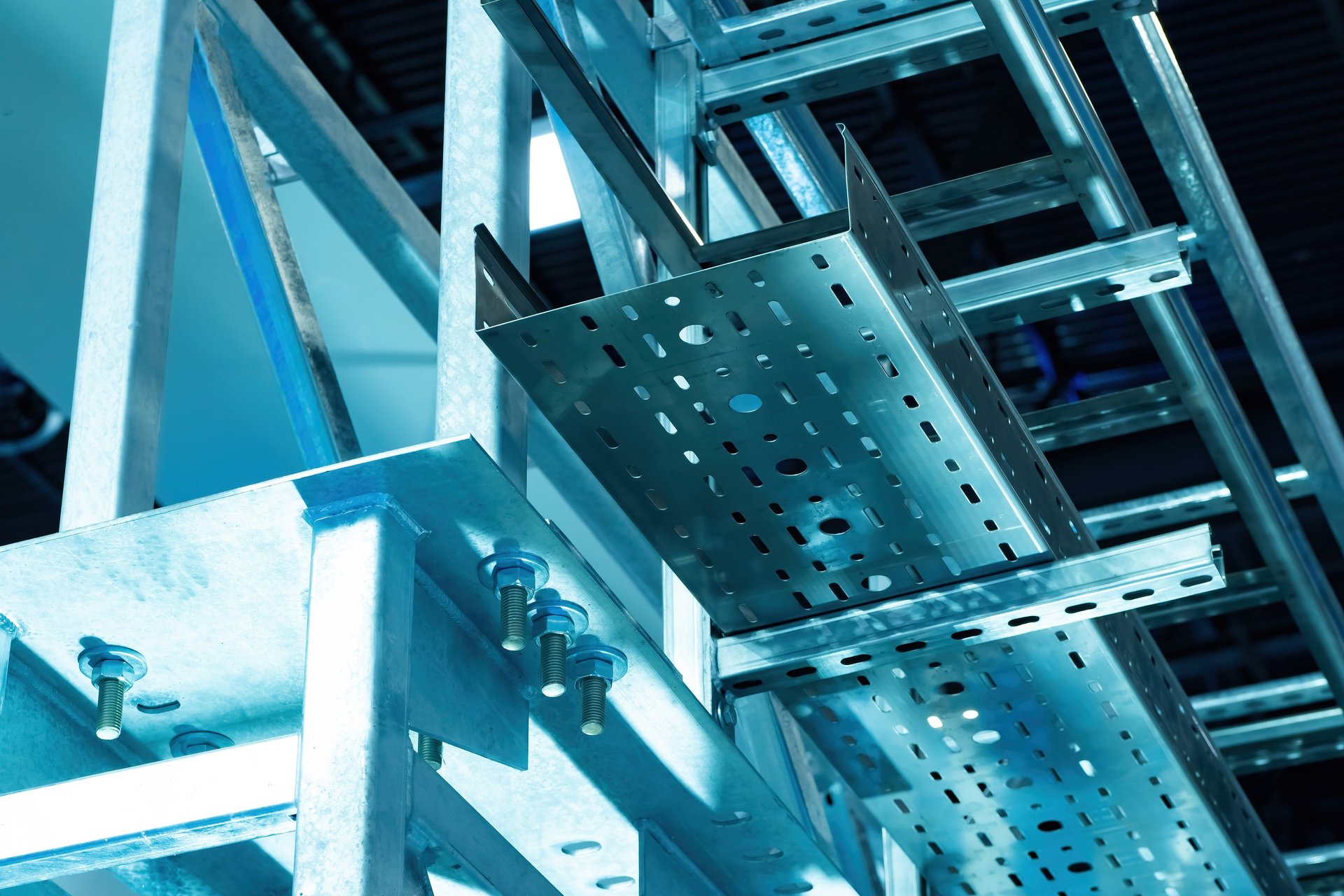
Mild Steel
Mild Steel (MS) is one of the most widely used engineering materials in the world. Known for its affordability, strength, and versatility, mild steel plays a crucial role in construction, manufacturing, automotive production, and industrial fabrication. Its ease of welding, cutting, and shaping makes it a preferred choice for engineers, fabricators, and builders across various industries.
What Is Mild Steel?
Mild steel is a type of carbon steel that contains a relatively low amount of carbon, typically between 0.05% and 0.25%. This low carbon content gives the material excellent ductility, machinability, and weldability while maintaining sufficient strength for a wide range of applications.
Unlike stainless steel, mild steel does not contain significant amounts of chromium, making it more vulnerable to rust and corrosion. Therefore, it is often coated, painted, or galvanized to enhance its durability and resistance to environmental conditions.
Key Benefits of Mild Steel
1. Cost-Effective Material
One of the biggest advantages of mild steel is its affordability. Compared to other metals and alloys, mild steel offers excellent value for money, making it ideal for large-scale construction and manufacturing projects.
2. Excellent Weldability
Mild steel can be welded easily without requiring specialized techniques. This property makes it highly suitable for structural fabrication, machinery production, and industrial applications.
3. High Strength and Toughness
Despite its low carbon content, mild steel provides considerable strength and durability. It can withstand heavy loads and mechanical stress, making it suitable for structural and engineering applications.
4. Easy to Fabricate
Mild steel can be cut, drilled, bent, and shaped with ease. This flexibility allows manufacturers to create a wide variety of products and structures efficiently.
5. Recyclable and Sustainable
Mild steel is fully recyclable and can be reused multiple times, reducing waste and supporting environmentally responsible manufacturing practices.
Common Types of Mild Steel Products
Mild Steel Sheets
Widely used in fabrication, automotive manufacturing, and construction projects due to their versatility and ease of processing.
Mild Steel Pipes and Tubes
Used for structural support, water transportation, industrial frameworks, and mechanical systems.
Mild Steel Bars and Rods
Commonly utilized in reinforcement, machinery components, and fabrication works.
Mild Steel Structural Sections
Including angles, channels, beams, and girders used extensively in building construction and infrastructure projects.
Applications of Mild Steel
Mild steel is used across numerous industries, including:
Building and construction projects
Structural frameworks and steel buildings
Automotive manufacturing
Machinery and equipment production
Pipes and tubing systems
Gates, grills, and fencing
Industrial fabrication
Storage tanks and containers
Railway and transportation infrastructure
Challenges and Limitations
Although mild steel offers many advantages, it also has certain limitations. Its primary drawback is its susceptibility to rust and corrosion when exposed to moisture and harsh environmental conditions. To overcome this issue, protective coatings such as paint, galvanization, or powder coating are commonly applied. Additionally, mild steel has lower corrosion resistance compared to stainless steel and may require regular maintenance in outdoor applications.
Mild Steel vs Stainless Steel
While both materials are widely used in industry, they serve different purposes. Mild steel is preferred for applications where cost-effectiveness and ease of fabrication are important, whereas stainless steel is chosen when corrosion resistance, hygiene, and aesthetic appearance are critical requirements.
Conclusion
Mild Steel remains one of the most important materials in modern construction and manufacturing. Its combination of affordability, strength, versatility, and ease of fabrication makes it an essential choice for countless industrial and commercial applications. As infrastructure development and industrial growth continue worldwide, mild steel will remain a fundamental building block of progress and innovation.


