

STAINLESS STEEL
Stainless steel is a versatile and durable metal alloy widely used across various industries. It is primarily composed of iron and contains at least 10.5% chromium, which gives it excellent resistance to rust and corrosion. This unique property makes stainless steel one of the most reliable materials for applications that require strength, hygiene, and long-term performance.
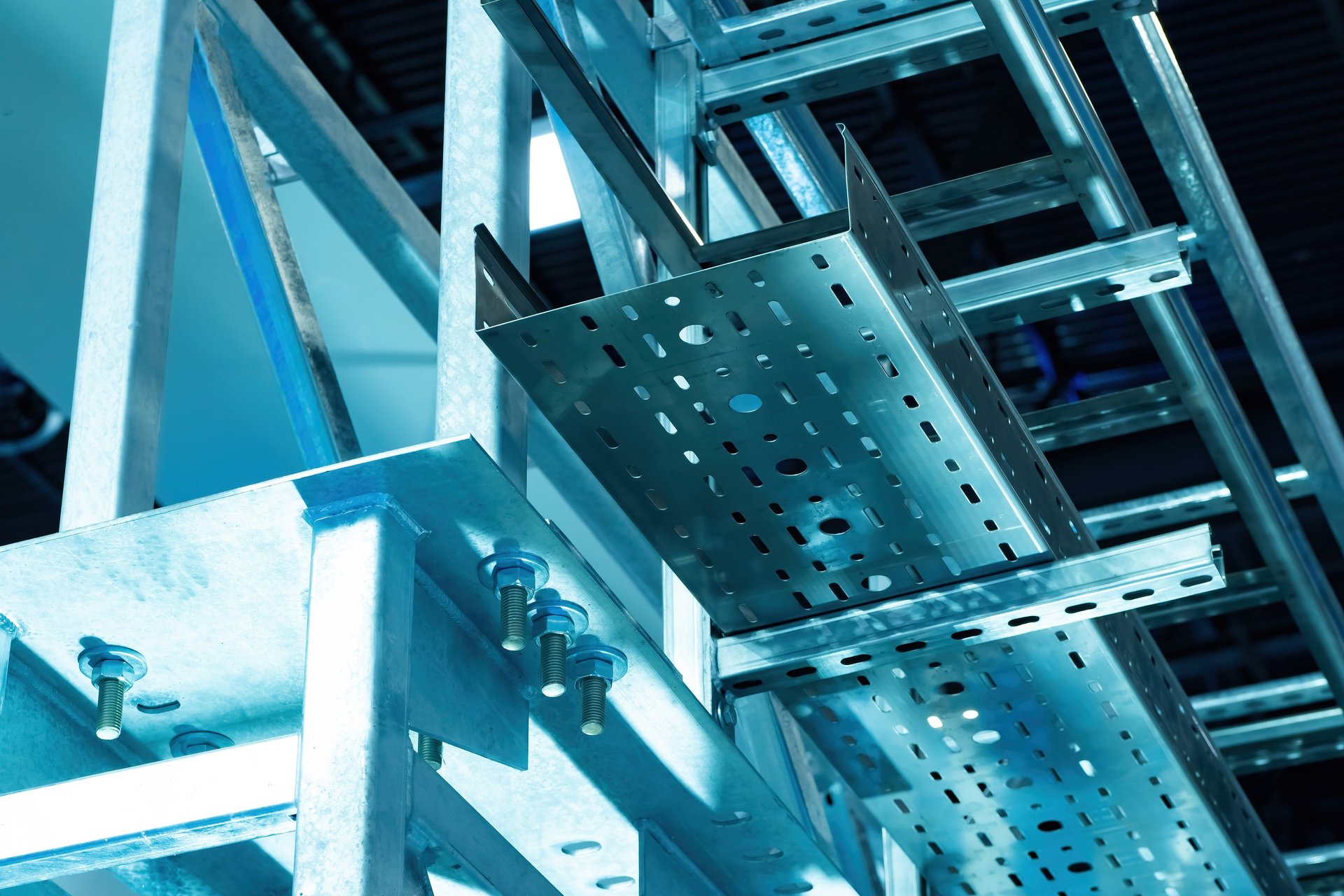
Stainless Steel
Stainless Steel: The Metal That Changed Modern Industry
Stainless steel is one of the most important materials used in today's world. Known for its strength, durability, and resistance to rust, it plays a vital role in industries ranging from construction and healthcare to food processing and transportation. Its unique properties make it a preferred choice for applications where cleanliness, longevity, and reliability are essential.
What Is Stainless Steel?
Stainless steel is an alloy primarily made of iron and chromium. To be classified as stainless steel, it must contain at least 10.5% chromium. This chromium forms a thin protective layer on the surface of the metal, preventing corrosion and giving stainless steel its famous rust-resistant properties. Other elements such as nickel, molybdenum, and carbon may be added to improve specific characteristics.
Key Benefits of Stainless Steel
1. Corrosion Resistance
One of the biggest advantages of stainless steel is its ability to resist rust and corrosion. This makes it suitable for environments exposed to moisture, chemicals, and extreme weather conditions.
2. High Strength and Durability
Stainless steel can withstand heavy loads, high temperatures, and daily wear and tear. Its long lifespan reduces maintenance and replacement costs.
3. Hygienic Properties
The smooth, non-porous surface of stainless steel makes it easy to clean and sanitize. This is why it is widely used in hospitals, kitchens, and food-processing facilities.
4. Attractive Appearance
With its sleek and modern look, stainless steel is commonly used in architecture, interior design, and household appliances.
5. Sustainability
Stainless steel is 100% recyclable and can be reused without losing its quality, making it an environmentally friendly material.
Common Types of Stainless Steel
304 Stainless Steel
This is the most commonly used grade. It offers excellent corrosion resistance and is widely used in kitchen equipment, storage tanks, and industrial applications.
316 Stainless Steel
Containing molybdenum, this grade provides enhanced resistance to chemicals and saltwater, making it ideal for marine and medical applications.
430 Stainless Steel
A cost-effective option with good corrosion resistance, often used in home appliances and decorative applications.
Applications of Stainless Steel
Stainless steel is used in numerous industries, including:
Construction and architecture
Food and beverage processing
Medical and pharmaceutical equipment
Automotive manufacturing
Aerospace engineering
Household appliances and cookware
Challenges and Limitations
Despite its many advantages, stainless steel has some limitations. It is generally more expensive than carbon steel and may require specialized tools for cutting and welding. Additionally, certain grades can still corrode under highly aggressive conditions.
Conclusion
Stainless steel has become an essential material in modern life due to its exceptional combination of strength, corrosion resistance, hygiene, and sustainability. Whether used in skyscrapers, medical instruments, kitchen appliances, or industrial machinery, stainless steel continues to support innovation and improve the quality of products and infrastructure worldwide. As industries evolve and sustainability becomes increasingly important, the demand for stainless steel is expected to remain strong for years to come.


